Global Trade Shifts as Nations Pivot Away From Washington Reliance
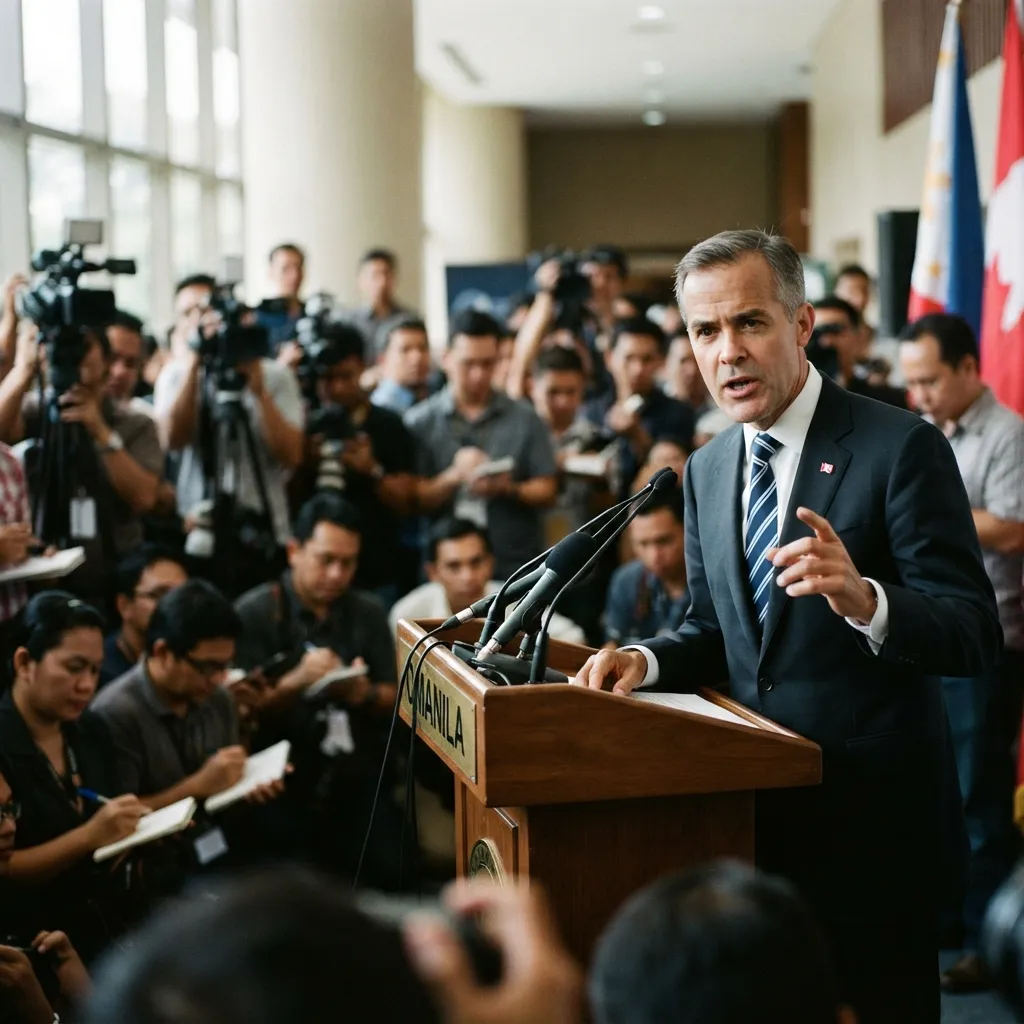
Tensions between Ottawa and Washington have reached a boiling point as Canadian Prime Minister Mark Carney signaled he will not buckle under pressure from President Trump regarding trade demands. Speaking in Manila, Carney made it clear that Canada refuses to ink any new agreement that jeopardizes the sustainability of its domestic automotive sector. This hardline stance follows the collapse of bilateral negotiations three months ago when sudden demands from the United States threatened to dismantle Canadian vehicle manufacturing. While Carney acknowledged that a swift resolution serves both nations, he insisted that protecting Canadian workers remains non negotiable.
In an ambitious effort to decouple its economic fate from the whims of the American market, Canada has launched a massive national budget titled Masters of our Destiny. The 142.1 billion Canadian dollar initiative aims to overhaul the country’s growth model by leveraging domestic oil revenues to fund critical minerals mining, energy production, and housing. Finance Minister François Philippe Champagne described the move as a strategic pivot toward independence, ensuring that Canada remains resilient regardless of political volatility south of the border or shifts in global trade dynamics.
Meanwhile, similar patterns of diversification are emerging in Africa as South Africa pivots toward Beijing. After losing duty free access to American markets via the African Growth and Opportunity Act, Pretoria has leaned into China’s zero tariff policies for qualifying exports. Recent data shows a significant surge in bilateral trade, with shipments to China jumping nearly twenty five percent over a few short months. Chinese Ambassador Wu Peng expressed optimism that this partnership will continue to expand high value exports from South Africa into Asian markets. Together, these moves suggest a growing international trend where traditional allies and partners seek stability outside the influence of U.S. trade policy.