Sunflower State Divided Over Future Senate Seat
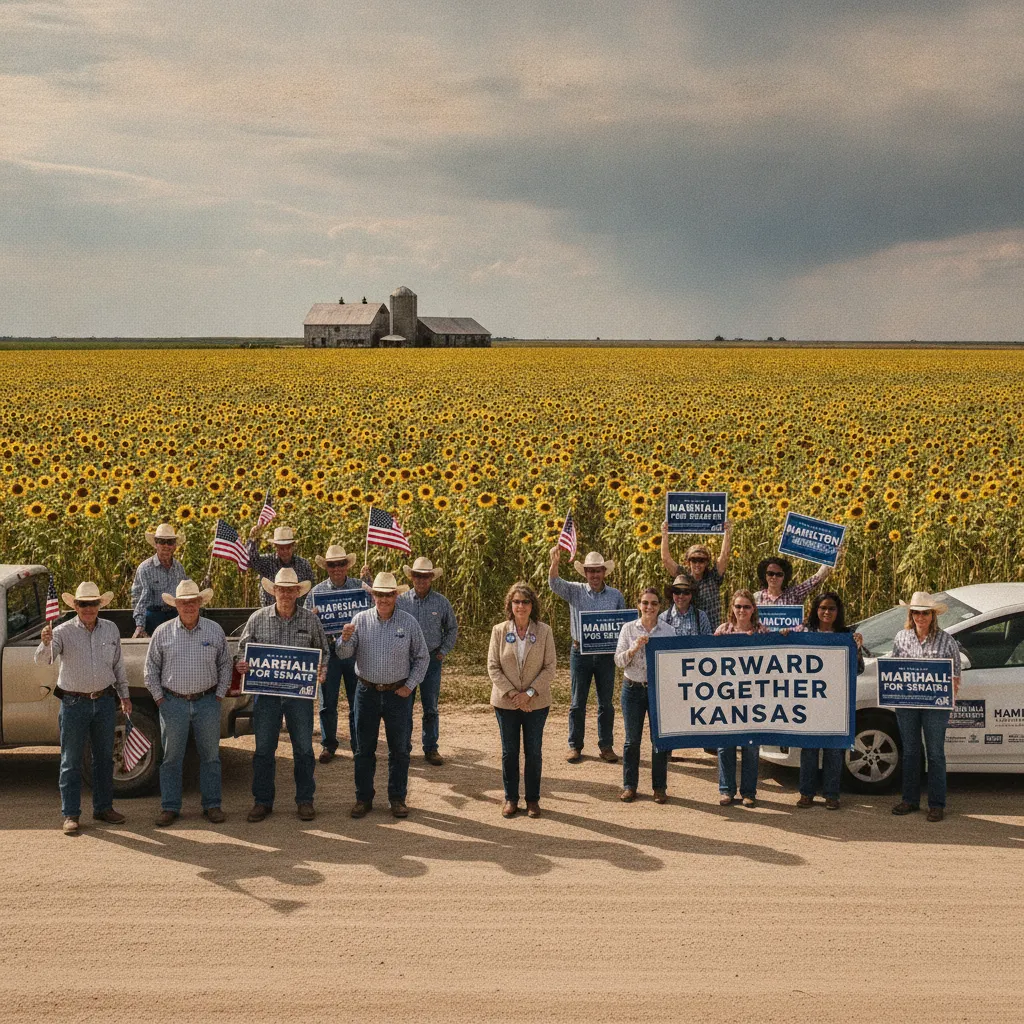
The battle for Kansas’s seat in the United States Senate has tightened into a statistical dead heat, leaving political analysts unable to call a clear frontrunner as election day approaches. The contest between Republican incumbent Roger Marshall and Democratic challenger Adam Hamilton has become a mirror of the national divide, reflecting deep tensions over the direction of the country. Recent polling suggests that neither candidate holds a definitive lead, turning the state into a high stakes focal point for both parties.
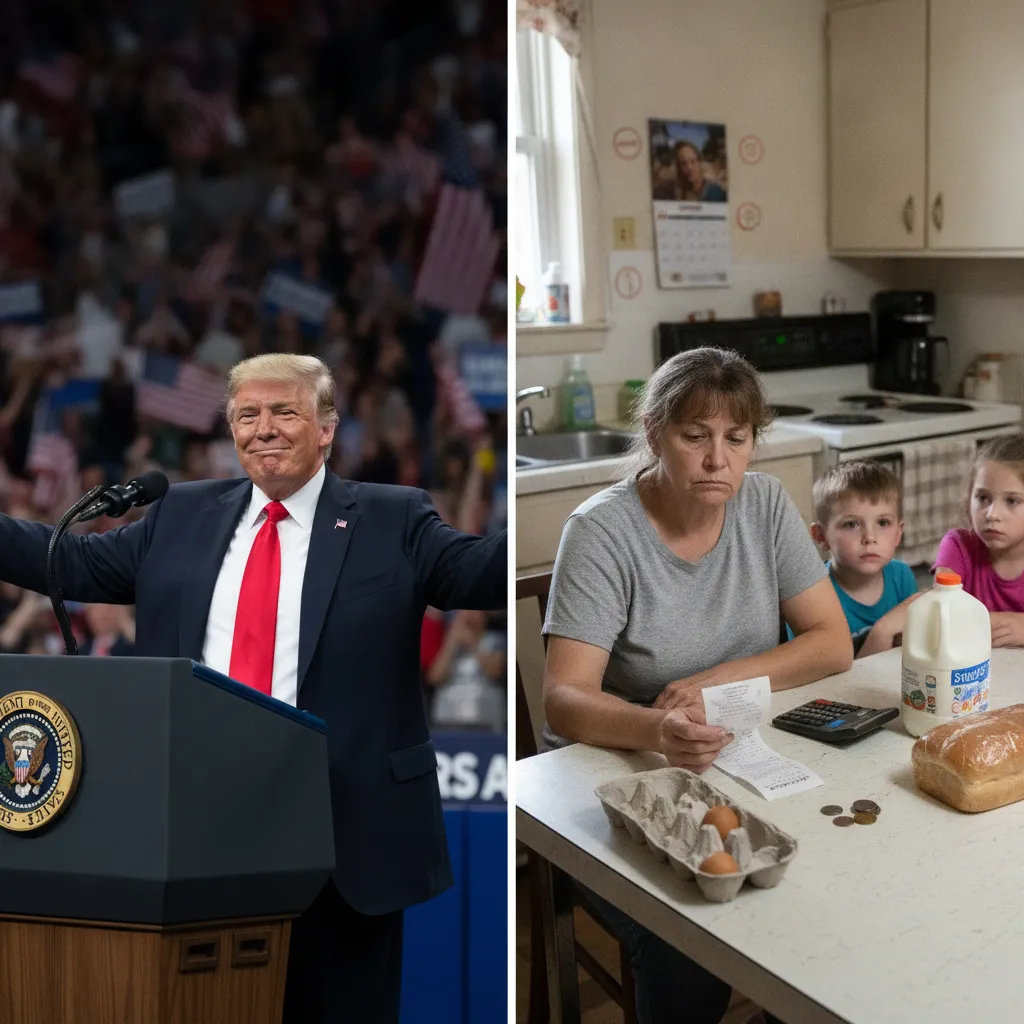
Voters across the plains are citing two primary drivers behind their decision at the ballot box: the cost of living and security at the southern border. For many residents, the daily pressure of inflation and fluctuating grocery prices has eclipsed traditional partisan loyalty, creating an opening for candidates who can present a convincing plan for economic relief. At the same time, concerns regarding immigration and federal border policy continue to weigh heavily on the minds of rural constituents, providing a strong tailwind for those emphasizing law and order.
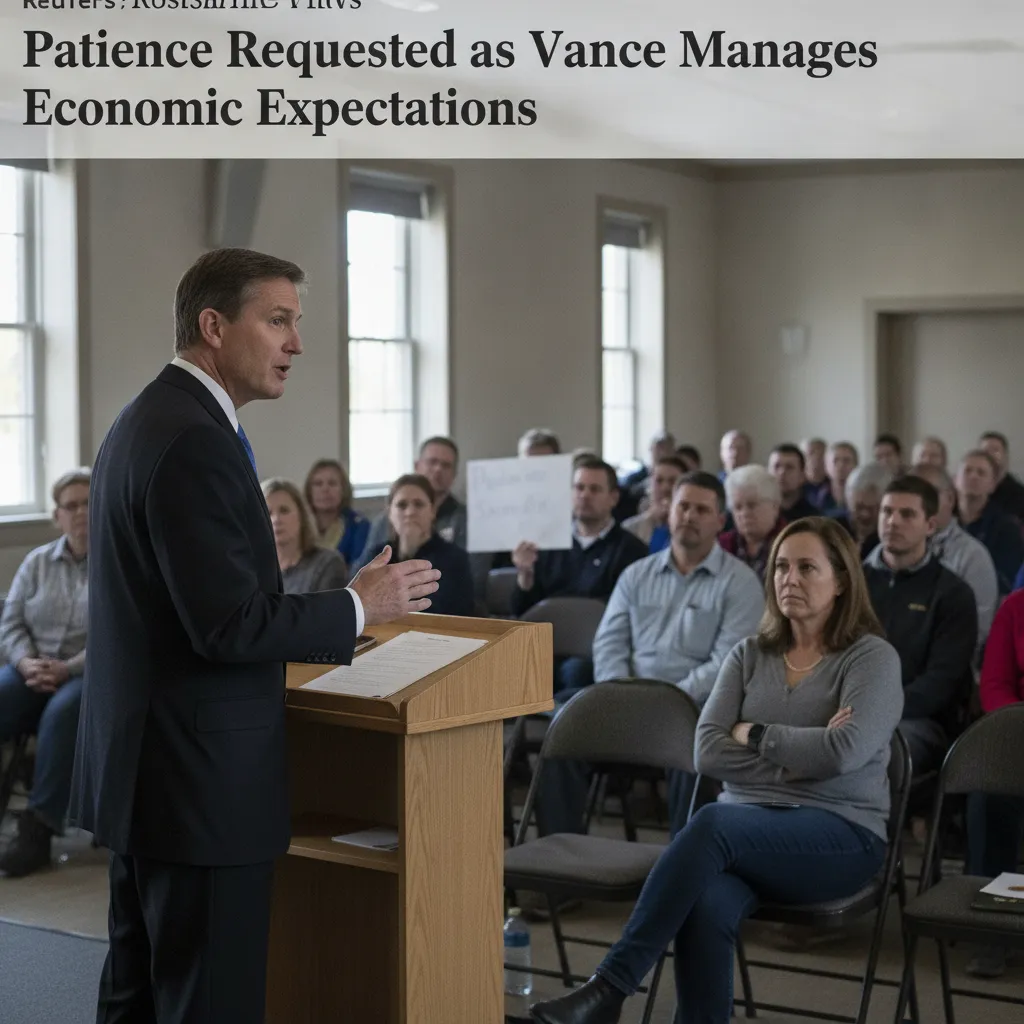
These shifting dynamics were highlighted recently during discussions featuring local voters like Felita Kahrs and William Six, who shared their contrasting views on what makes each candidate viable. While some see Marshall as a steady hand capable of maintaining conservative values in Washington, others view Hamilton as a necessary change to address systemic economic failures affecting middle class families. As these narratives clash in town halls and television spots, the race remains anyone’s game.
With such narrow margins separating the two campaigns, every precinct now feels essential. Both camps are intensifying their outreach efforts in suburban areas where undecided voters may ultimately hold the key to victory. In a state once considered reliably red but now showing signs of volatility, this deadlock underscores just how much is riding on whether Kansans prioritize boundary security or pocketbook issues when they finally enter the voting booth.